Choosing a cordless power tool used to be fairly simple. A drill was a drill, a battery was a battery, and most buyers focused on price first. Today, the cordless market is far more advanced. Battery chemistry, motor design, electronics, ergonomics, safety systems, and platform compatibility all have a major impact on how a tool performs over time.
If you want better results, fewer frustrations, and a smarter long term investment, it helps to know which features actually matter before you buy. Some tools look impressive on the shelf but fall short in real work. Others may cost more upfront yet deliver better runtime, stronger performance, and lower replacement costs over the life of the tool. This guide breaks down the most important cordless power tool features to evaluate so you can buy with confidence.
Start with the battery platform, not the tool itself
One of the biggest mistakes buyers make is choosing a cordless tool based only on the tool body. In reality, the battery platform often matters more than the individual tool. When you buy into a cordless system, you are not just purchasing one drill, impact driver, circular saw, or grinder. You are investing in a shared ecosystem of batteries, chargers, and compatible tools.
A strong battery platform can save money and simplify your workflow. If one battery fits multiple tools, you can rotate packs throughout the day instead of maintaining separate charging systems. This is especially useful for homeowners building a small collection and for professionals who need consistency on the jobsite.
Why platform compatibility matters
Platform compatibility affects convenience, cost, and upgrade potential. If a manufacturer offers a broad line of tools on the same battery system, you can expand your collection without starting over. That may include drills, impact drivers, reciprocating saws, circular saws, oscillating multi tools, nailers, lights, blowers, vacuums, and outdoor equipment.
Before buying, look at how many tools are available on the platform and whether the company has a history of supporting it over time. Some brands maintain battery compatibility across many years, while others phase out systems more quickly. A stable platform gives you more confidence that your batteries will still be useful when you buy your next tool.
Voltage classes and what they mean
Cordless tools are commonly grouped by voltage class, such as 12V, 18V, 20V max, 36V, 40V, and higher. Voltage often signals the intended use case, though it is not the only factor that determines power.
- 12V class tools are usually compact and light. They are ideal for light duty work, assembly, maintenance, cabinet installation, and tight spaces.
- 18V or 20V max tools are the mainstream choice for most users. They balance power, runtime, and portability well.
- Higher voltage tools are often designed for heavy duty applications such as large saws, demolition hammers, and demanding outdoor equipment.
It is helpful to understand that some brands market similar battery classes differently. In many cases, 18V nominal and 20V max refer to similar lithium ion battery configurations, just labeled in different ways. If you want a technical overview of battery basics, the lithium ion battery overview from the U.S. Department of Energy offers useful context on how modern battery technology has evolved.
Battery capacity and runtime are not the same as raw power
Battery labels can be confusing. Many buyers see a high amp hour rating and assume it automatically means a more powerful tool. In reality, amp hours primarily indicate battery capacity, which affects runtime. A 5.0Ah battery generally lasts longer than a 2.0Ah battery, but that does not necessarily mean the tool itself produces more torque or cuts faster in every situation.
Understanding amp hours
Amp hours measure how much charge a battery can store. Higher amp hour packs are useful for tools that draw more energy, such as circular saws, grinders, vacuums, and outdoor equipment. For intermittent tasks like driving screws or drilling pilot holes, a smaller pack may be sufficient and can make the tool easier to handle.
Think about your actual usage. If you often work overhead, in awkward positions, or for short bursts, a compact battery may improve comfort and reduce fatigue. If you are cutting framing lumber, grinding metal, or running a blower for extended periods, larger capacity packs are usually worth it.
Power delivery under load
Not all batteries perform the same way when the tool is under heavy load. Better battery packs can maintain voltage more effectively, helping the tool sustain speed and reduce bogging. Some premium batteries also use improved cell designs and internal electronics to support higher current output.
This matters because a cordless tool that feels strong with no load can behave very differently when drilling into dense wood, cutting thick stock, or driving long fasteners. If possible, look for reviews and test data that show performance under realistic working conditions rather than relying only on package claims.
Brushless motors are worth serious attention
One of the most important features to look for in modern cordless power tools is a brushless motor. While brushed motors still exist in lower cost models, brushless designs have become the standard for users who want better efficiency, longer tool life, and stronger overall performance.
What makes brushless motors different
Traditional brushed motors use physical brushes to transfer electricity. Over time, those brushes wear down and generate friction and heat. Brushless motors use electronic controls instead, which reduces mechanical wear and improves efficiency.
That efficiency can translate into several practical benefits:
- Longer runtime from the same battery
- Less heat buildup during use
- Improved power delivery
- Lower maintenance needs
- Potentially longer tool lifespan
Why brushless matters in real world use
For occasional users, the difference may seem subtle at first. But over months and years, brushless tools often feel more refined and dependable. They tend to respond better under load, waste less battery energy, and stand up well to repeated use. If your budget allows, brushless is usually the smarter long term choice, especially for tools you will use often.
Ergonomics can make or break the ownership experience
Power and runtime get most of the attention, but ergonomics have a huge impact on satisfaction. A cordless tool may be impressive on paper, yet frustrating in your hands. Weight balance, grip shape, trigger feel, control placement, and overall size all affect comfort, precision, and fatigue.
What to evaluate in the handle and grip
Look for a handle that fits your hand comfortably and offers a secure, non slip grip. Rubber overmold can improve control, especially if your hands are sweaty or dusty. The trigger should be easy to modulate, not overly stiff or abrupt.
Grip angle matters too. Some tools place your wrist in a more natural position, which becomes important during repetitive tasks. If you can hold the tool in person before buying, pay attention to whether it feels nose heavy, awkward, or tiring after even a short period.
Balance matters as much as total weight
A lighter tool is not always easier to use if the balance is poor. A well balanced drill with a slightly heavier battery may feel better than a lighter one that tips forward. The same goes for reciprocating saws, circular saws, and grinders. Good balance improves accuracy and reduces strain, especially during extended sessions.
Compact design for tight spaces
If you frequently work inside cabinets, between studs, under sinks, or in mechanical rooms, compact dimensions can be more valuable than maximum output. Shorter head length and slimmer body design can make the difference between smooth access and constant frustration. Consider where and how you actually use the tool, not just what it can do in ideal conditions.
Speed control and electronic features improve versatility
Modern cordless tools often include electronic controls that make them more adaptable to different materials and tasks. These features are easy to overlook, but they can significantly improve finish quality, fastener control, and safety.
Variable speed triggers
A good variable speed trigger gives you precise control from a slow start to full speed. This helps when starting holes, driving delicate fasteners, or cutting materials that benefit from a controlled approach. A trigger that jumps too quickly to high speed can reduce accuracy and increase the chance of mistakes.
Multiple speed settings
Many drills and impact drivers include two or more speed ranges. Lower speeds typically provide better control and more torque for driving large fasteners. Higher speeds are useful for drilling smaller holes or working quickly in lighter materials. On advanced tools, electronic speed selectors can help tailor performance even more precisely.
Smart modes and assist features
Some cordless tools now offer assist modes that automatically adjust speed or torque based on the task. For example, a drill may include clutch settings for screwdriving, while an impact driver may have modes that reduce overdriving or help prevent fasteners from snapping. Certain saws and grinders include soft start or automatic speed adjustments under load.
These features are not always essential, but they can be genuinely helpful, especially if you work across a variety of materials or want more control without constant manual adjustment.
Torque, RPM, and impact rate should match your intended work
Tool specifications can be useful, but only if you understand what they mean. Torque, revolutions per minute, and impacts per minute each tell part of the story. The best cordless power tool for one job may be the wrong one for another.
Drills and drivers
For drills, torque affects how well the tool can bore larger holes or handle tougher materials. Higher RPM helps with faster drilling in smaller diameters. For impact drivers, torque is especially important for driving long screws, lag bolts, and structural fasteners. However, more torque is not always better if you also need finesse for smaller hardware.
Saws and cutting tools
For circular saws, blade speed, cutting depth, and motor efficiency all matter. A saw that maintains speed through dense material will usually cut cleaner and feel more confident. Reciprocating saws benefit from stroke length and strokes per minute, but vibration control also plays a major role in usability. Oscillating tools need a good balance of speed and control for plunge cuts, sanding, and flush trimming.
Do not rely on specs alone
Manufacturers do not always measure or present specifications the same way. Two tools with similar torque numbers can feel very different in use. Real world testing, user feedback, and independent reviews are often more revealing than a spec sheet by itself.
Clutch quality is crucial on drills and drivers
If you are buying a cordless drill driver, do not ignore the clutch. A quality clutch helps prevent stripped screws, damaged materials, and inconsistent results. This is especially important for cabinetry, drywall, furniture assembly, and finish work where precision matters.
How the clutch helps
The clutch disengages the drive mechanism once a certain resistance level is reached. This allows you to drive screws to a more consistent depth without overdriving. Better drills tend to have more usable clutch settings and more predictable engagement.
Who benefits most from a good clutch
Homeowners often appreciate a good clutch because it makes common tasks easier and more forgiving. Professionals benefit because it speeds up repetitive work and reduces rework. If your projects involve a mix of drilling and screwdriving, clutch performance should be high on your checklist.
Chuck quality, bit retention, and accessory changes matter more than you think
Small hardware details can have a major impact on daily use. A flimsy chuck or weak bit retention system becomes annoying very quickly. These are the kinds of features that may not stand out in advertisements, but they strongly affect long term satisfaction.
Drill chucks
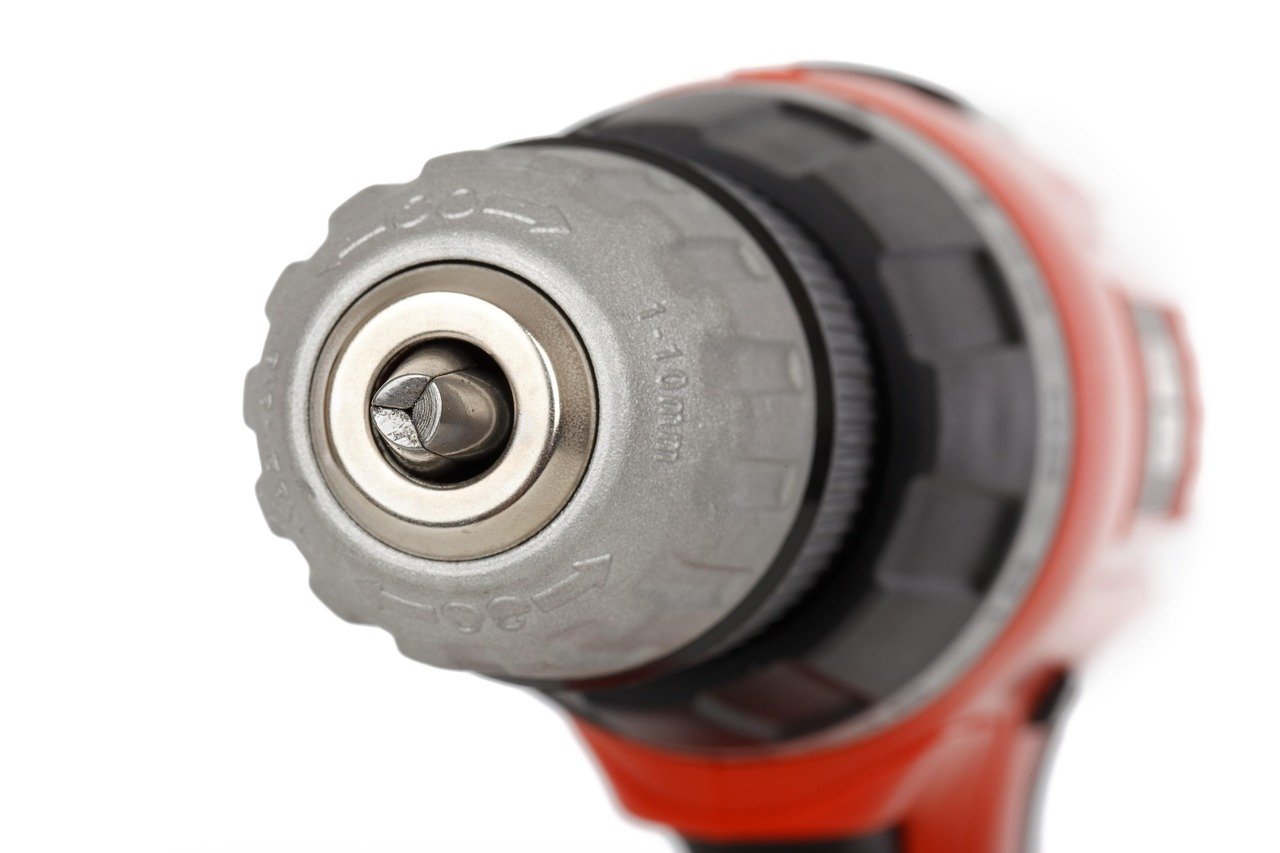
Look for a chuck that grips bits securely and stays tight under use. Metal chucks are often more durable than all plastic versions, especially in demanding environments. A good ratcheting chuck can improve bit retention and reduce slippage.
Impact driver collets
For impact drivers, test how securely the collet holds bits and how easy it is to insert and release them. One handed bit changes can save time, particularly if you switch between drilling and driving frequently.
Blade and accessory changes
On saws, grinders, and oscillating tools, tool free accessory changes can improve efficiency. If you regularly swap blades or attachments, this feature can make a noticeable difference in workflow. It is especially useful on multitools, where quick changes encourage you to use the right accessory instead of trying to force one blade to do everything.
Safety features deserve a place on your checklist
Cordless power tools are convenient, but convenience should never come at the expense of safety. Good safety features can help reduce kickback, improve control, and minimize accidental activation.
Electric brakes
An electric brake stops the motor quickly when you release the trigger. This is particularly valuable on drills, drivers, circular saws, and grinders. Faster stopping improves control and can reduce the chance of damage or injury.
Kickback control and overload protection
Some advanced tools include electronics that detect sudden binding or overload conditions and reduce output to help protect the user. These systems are especially valuable on high torque drills and larger cutting tools. According to OSHA guidance on hand and power tools, proper tool control and safe operating conditions are essential for reducing common hazards.
Trigger locks and lockouts
Trigger lockouts help prevent accidental starts during transport or storage. While simple, they are worth checking, especially if the tool may be carried in a bag, stored with batteries attached, or used around other people on a busy jobsite.
Durability and build quality separate short term buys from long term tools
A cordless power tool should be able to handle vibration, dust, occasional drops, and changing temperatures. Durability is not just about surviving abuse. It is also about maintaining performance and precision over time.
Housing and materials
Look for solid casing construction, reinforced areas around impact points, and quality fit and finish. Rubber bumpers can help protect surfaces and absorb minor impacts. On jobsite focused tools, weather resistance and sealed electronics may also be important.
Internal protection
Some tools include internal protections against overheating, overloading, and over discharge. These systems can help preserve both the motor and the battery. Better chargers also contribute by managing charging conditions more intelligently.
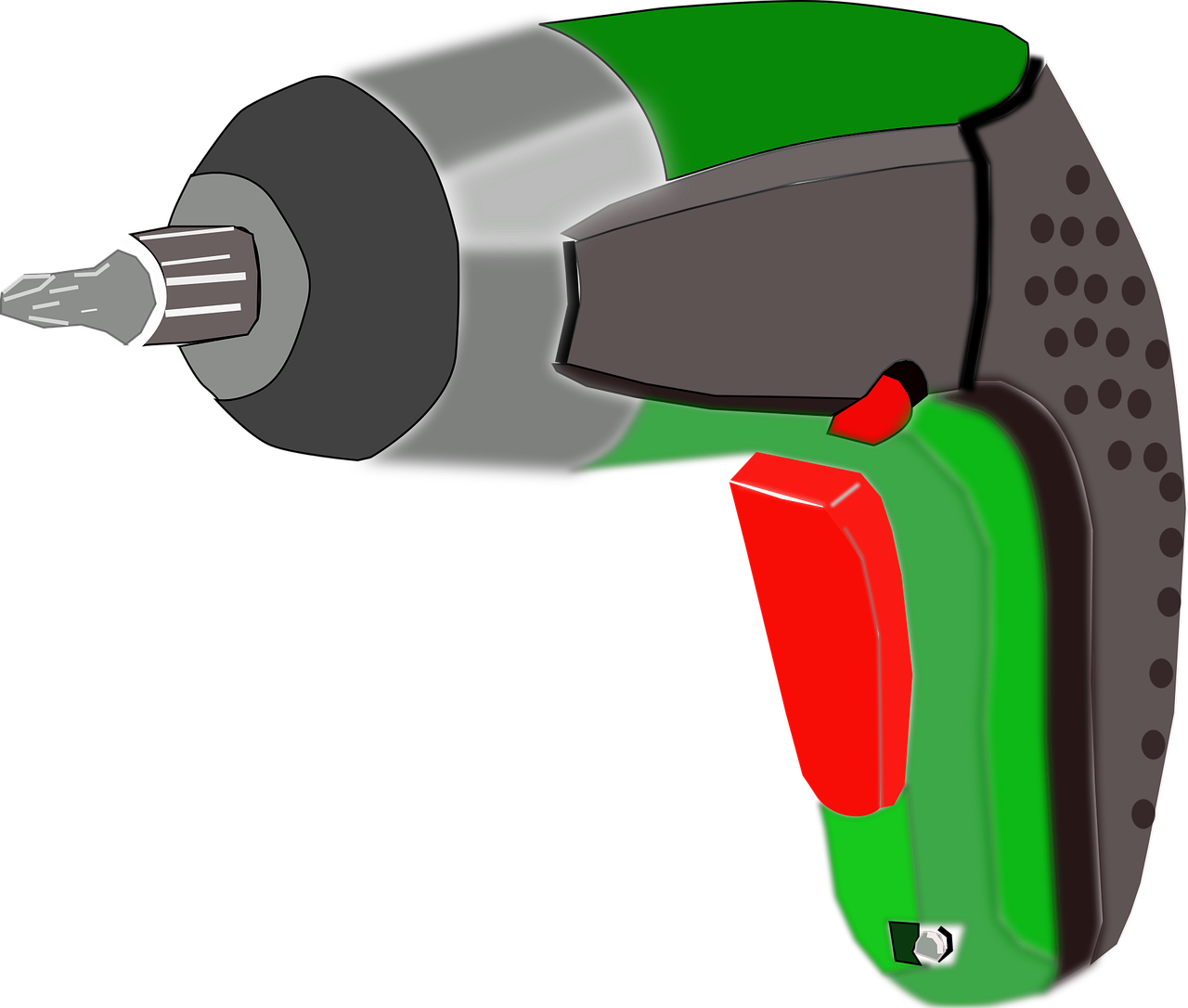
Brand support and parts availability
Durability includes what happens after something goes wrong. Check warranty terms, service options, and replacement part availability. A tool that can be repaired or supported locally may offer better value than a cheaper model with poor service infrastructure.
Charging speed and charger quality affect real productivity
Buyers often focus on the tool and battery while overlooking the charger. Yet charging speed and charger design can significantly affect how practical a cordless system is, especially if you own only one or two batteries.
Fast charging versus battery health
Fast chargers are convenient, but the best systems balance speed with battery protection. Heat management is important during charging because excessive heat can shorten battery life over time. Quality chargers monitor battery condition and adjust charging accordingly.
How many batteries you really need
For light household use, one battery may be enough. For regular DIY work, two batteries are often the sweet spot. For professional use, multiple batteries are usually necessary to keep work moving without downtime. When comparing kits, consider whether the included batteries match the demands of the tool. A powerful saw sold with a small battery may be less useful than it first appears.
LED lights, belt hooks, and small conveniences are worth considering
Minor features can improve daily usability more than you might expect. While they should not outweigh core performance, they can tip the balance between two otherwise similar tools.
Built in LED lights
Integrated work lights help in cabinets, basements, attics, and other dim areas. Placement matters. A well positioned light reduces shadows near the work area better than one mounted too high or too low.
Belt hooks and storage features
A sturdy belt hook is useful for ladders, framing, electrical work, and general mobility. Bit holders, onboard wrench storage, and rafter hooks can also improve convenience depending on the tool category.
Dust collection compatibility
For sanders, saws, and concrete related tools, dust management can be a major benefit. Cleaner work areas improve visibility, reduce cleanup, and support healthier working conditions. If dust control matters to you, check whether the tool accepts vacuums, shrouds, or collection bags effectively.
Match the feature set to your type of user
The best cordless power tool features depend partly on who you are and how you work. A homeowner, serious DIY enthusiast, tradesperson, and maintenance technician may all prioritize different things.
For homeowners
Focus on ease of use, reasonable weight, platform flexibility, good battery life, and dependable safety features. You may not need the highest torque or the largest battery, but you will benefit from a quality brushless motor and a system that can grow with your needs.
For DIY enthusiasts
Look for better performance under load, a broad tool ecosystem, fast charging, and refined controls. If you enjoy building furniture, renovating rooms, or tackling weekend projects regularly, stepping up to a more capable platform usually pays off.
For professionals
Prioritize durability, runtime, service support, charger speed, weather resistance